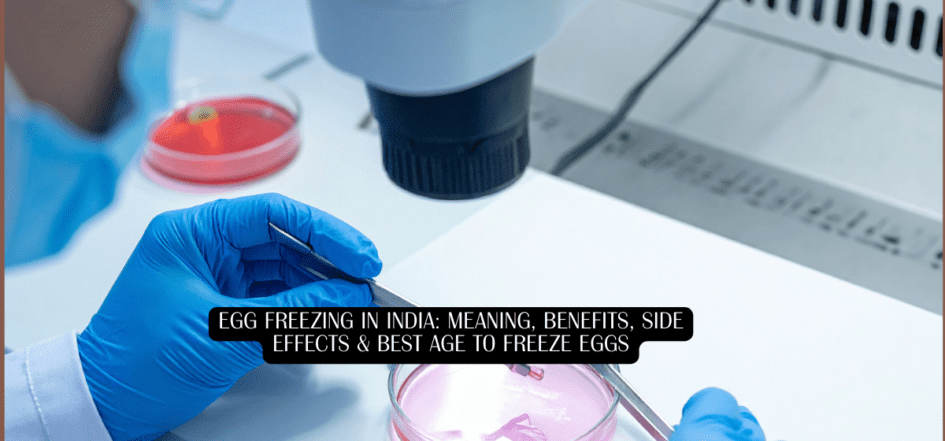
Planning for the future has taken on a whole new meaning today. Whether it’s financial planning, career choices, or even family decisions, we all want options. Egg freezing is one such option that gives women more control over their reproductive future. If you’ve ever wondered what egg freezing really involves, whether it’s safe, why so many women in India are choosing it, or when the “right age” actually is– this guide walks you through everything in simple, human terms.
Think of it like saving your favourite fruit while it’s still fresh so you can enjoy it later even if the season has passed. Egg freezing works on a similar principle– preserving fertility while the eggs are at their healthiest.
Here is a 20-word meta description:
Egg freezing in India is explained with benefits, risks, the best age, and guidance, like selecting the best liver transplant surgeon in India.
Before we delve into the details, here’s a quick table of contents to help you easily explore the topic.
- Understanding Egg Freezing: What Does It Really Mean?
Egg freezing, scientifically known as oocyte cryopreservation, is a procedure where a woman’s eggs are extracted, frozen, and stored so they can be used later for pregnancy. The idea is simple: freeze eggs while they are healthiest so age doesn’t limit future fertility.
It doesn’t mean delaying motherhood forever– it simply creates more choices.
- Why Do Women Choose Egg Freezing in India?
Egg freezing is becoming more popular across India, and for many good reasons:
Career goals– Women who want to focus on education or professional growth choose egg freezing to avoid pressure.
Medical reasons– Those undergoing treatments like chemotherapy often freeze eggs to preserve fertility.
Not finding the right partner– Many want to wait for the right relationship before starting a family.
Health conditions– Issues like endometriosis or low ovarian reserve may prompt early egg preservation.
In short, it offers reassurance and flexibility at a time when life choices are more dynamic than ever.
- How Does the Egg Freezing Process Work?
The process usually involves the following steps:
3.1 Ovarian Stimulation
You receive hormone injections to stimulate your ovaries to produce multiple eggs. These are monitored through scans and blood tests.
3.2 Egg Retrieval
A minimally invasive procedure is performed under sedation. A needle collects the mature eggs through the vaginal route.
3.3 Freezing the Eggs
Using a method called vitrification, eggs are rapidly frozen to prevent ice crystal formation. They are then stored safely until you’re ready to use them.
- Who Should Consider Egg Freezing?
Egg freezing is often recommended for:
Women aged 25– 40 who want to delay pregnancy
Those undergoing medical treatments affecting fertility
Women with a family history of early menopause
Patients with ovarian conditions
Anyone who wants reproductive freedom
If you’re unsure whether it fits your situation, discussing options with a fertility specialist can help.
- Best Age to Freeze Eggs
The best age to freeze eggs is between 25 and 35 years. During this period:
Your egg count is higher
Egg quality is at its best
Success rates for future pregnancy improve significantly
Women over 35 can still freeze eggs, but the chances of success may decrease. Think of it like saving seeds– fresh seeds sprout better than older ones.
- Benefits of Egg Freezing
Egg freezing isn’t simply a medical procedure– it’s a life-changing opportunity.
6.1 Enables Future Planning
It removes the pressure of a ticking biological clock.
6.2 Protects Fertility During Medical Treatments
Especially essential for cancer patients.
6.3 Higher Chances of Healthy Pregnancy Later
Freezing eggs early means better egg quality when you decide to use them.
6.4 Peace of Mind
You get emotional relief knowing you have options.
- Possible Side Effects and Risks
Though safe, egg freezing can have some temporary side effects:
Bloating
Mood swings
Mild cramping
Ovarian hyperstimulation syndrome (rare).
Discomfort at injection sites.
Most side effects are manageable and subside quickly, but communicating with your doctor throughout the process is important.
- Success Rates: What You Need to Know.
Success rates depend on:.
Age at the time of freezing.
Number of eggs retrieved.
Overall health.
Egg quality.
Younger eggs usually result in higher chances of pregnancy later.
- Cost of Egg Freezing in India.
The cost varies depending on the clinic and city, but generally includes:.
Hormonal Tests.
Medications.
Egg Retrieval Procedure.
Freezing Charges.
Annual Storage Fees.
On average, the treatment may range from 1,50,000 to 5,00,000, not including yearly storage.
- Emotional and Psychological Aspects.
It’s completely normal to feel anxious or overwhelmed. Egg freezing, like many reproductive decisions, carries emotional weight. Support from friends, family, or counselors can make the journey smoother.
- Lifestyle Tips Before and After Egg Freezing.
Here are some helpful tips to improve egg quality and overall health:.
Maintain a healthy weight.
Keep stress levels in check.
Take prenatal vitamins (as advised).
Avoid smoking and excessive alcohol.
Stay physically active.
Simple lifestyle changes can make a surprising difference.
- Egg Freezing vs. Embryo Freezing.
Both preserve fertility but differ in key ways:.
Egg freezing stores unfertilized eggs– ideal for unmarried women.
Embryo freezing stores fertilized eggs with a partner’s or donor’s sperm.
Your choice depends on personal, medical, and legal considerations.
- Legal and Ethical Considerations in India.
India allows egg freezing for both medical and social reasons, but guidelines ensure safety and responsibility. Clinics must follow strict rules for storage, usage, and consent.
- How to Choose the Right Fertility Clinic.
Here’s what to look for:.
Experienced specialists.
Transparent costs.
Modern lab technology.
Good success rates.
Supportive environment.
Positive patient reviews.
Just like selecting the best liver transplant surgeon in India for a life-saving procedure, choosing the right fertility specialist is just as important for reproductive planning.
- The Future of Egg Freezing in India.
With rising awareness, improved technology, and more acceptance across society, egg freezing is becoming a mainstream option. The future looks promising, with more women benefiting from the freedom it provides.
Conclusion.
Egg freezing is more than a medical procedure– it’s a personal choice that gives women flexibility and confidence over their reproductive timeline. Whether you’re focused on career growth, haven’t found the right partner, or are dealing with medical concerns, egg freezing offers a reliable option to preserve fertility. And as the technology becomes more accessible across India, women are embracing it as a powerful tool to shape their future.
FAQs.
- Is egg freezing painful?
Most women feel only mild discomfort during injections and slight cramping after retrieval. The procedure itself is done under sedation.
- How long can eggs be stored?
In India, eggs can be stored for several years, depending on clinic policies and consent. They remain viable for long periods if frozen correctly.
- Can frozen eggs lead to natural pregnancy later?
Frozen eggs need to be fertilized through IVF, so natural conception isn’t possible with frozen eggs. However, many women achieve healthy pregnancies via IVF.
- How many eggs should I freeze?
Doctors usually recommend freezing 10– 20 eggs, depending on age and ovarian reserve, to increase the chances of pregnancy later.
- Are frozen eggs as good as fresh eggs?
Yes, especially with modern vitrification technology. The younger the age at freezing, the better the future success rates.