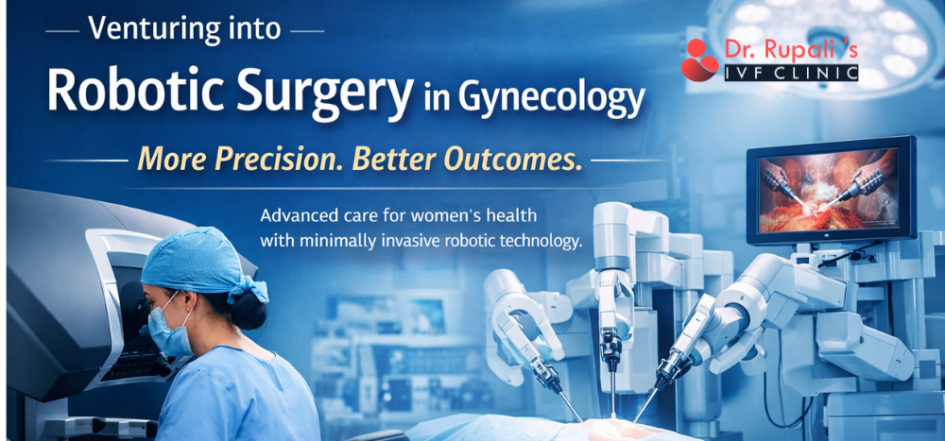
Gynaecological care has come a long way over the years. From traditional open surgeries to minimally invasive techniques, medical science has constantly evolved to make treatments safer, quicker, and more comfortable for women. One of the most exciting advancements today is robotic surgery in gynaecology.
Robotic surgery is not about robots replacing doctors. Instead, it is about giving skilled gynaecologists better tools to perform complex procedures with greater precision, control, and accuracy. For women, this means less pain, faster recovery, smaller scars, and better surgical outcomes.
In this blog, let’s explore how robotic surgery is transforming gynaecological treatment, who can benefit from it, and why choosing the right specialist—sometimes alongside fertility experts like the best IVF Doctor in Delhi NCR—plays a crucial role in overall women’s healthcare.
Expert Care Under Dr. Rupali Bassi
Dr. Rupali Bassi is a highly experienced gynecologist known for her expertise in advanced and robotic-assisted gynecological procedures. She focuses on delivering precise, minimally invasive care with faster recovery and better outcomes for women.
With a strong emphasis on preserving reproductive health, Dr. Bassi works closely with fertility specialists, including the best IVF Doctor in Delhi NCR
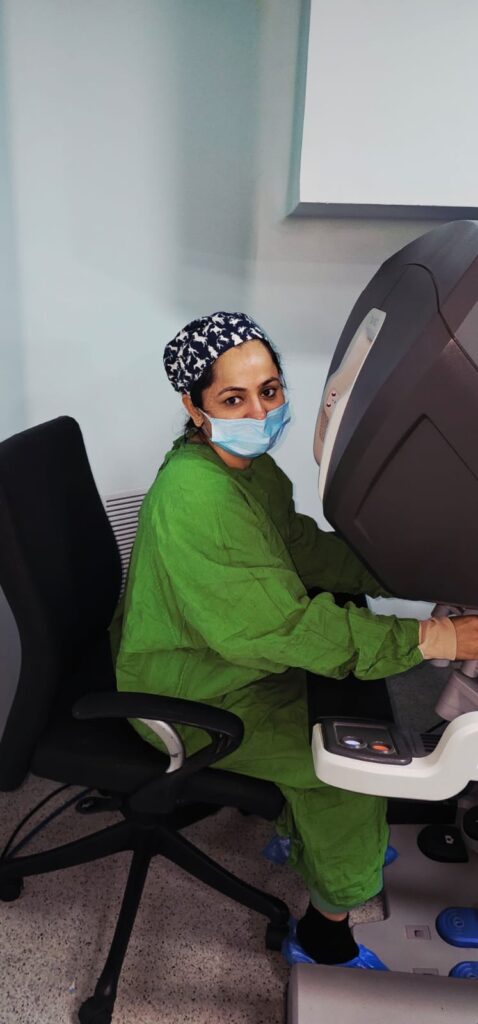
, to provide comprehensive and personalized care for women planning pregnancy.
Introduction to Robotic Surgery in Gynecology
Robotic surgery is an advanced form of minimally invasive surgery where the surgeon uses a robotic system to perform procedures with extreme precision. The surgeon controls the system from a console, guiding robotic arms that move exactly as directed—only with far greater steadiness and accuracy than the human hand.
In gynecology, robotic surgery is now used for a wide range of conditions, including fibroids, endometriosis, hysterectomy, and gynecological cancers.
Why Is Robotic Surgery Gaining Popularity?
- Higher surgical precision
- Better visualization with 3D high-definition imaging
- Reduced blood loss
- Shorter hospital stays
- Faster return to daily activities
For many women, robotic surgery offers a safer and more comfortable alternative to traditional open surgery.
Evolution of Gynecological Surgery
From Open Surgery to Minimally Invasive Care
Earlier, most gynecological surgeries were performed as open procedures. These involved large cuts, longer hospital stays, and significant recovery time.
Later, laparoscopic surgery reduced incision size and improved recovery. Robotic surgery takes this progress one step further by overcoming some limitations of laparoscopy, especially in complex cases.
Limitations of Traditional Surgery
- Larger incisions
- Higher risk of infection
- Longer recovery period
- More post-operative pain
Robotic surgery addresses many of these challenges through advanced technology.
How Robotic Surgery Works in Gynecology
Robotic surgery systems consist of three main components that work together seamlessly.
Surgeon Console
- The surgeon sits at a console and controls every movement
- Hand movements are translated into precise actions inside the patient’s body
Robotic Arms and Instruments
- Arms rotate and bend more than the human wrist
- Allow unmatched control in tight or delicate areas
High-Definition 3D Vision System
- Provides a magnified, three-dimensional view
- Helps clearly identify tissues and structures
Benefits of Robotic Surgery for Women
Greater Surgical Precision
- Eliminates natural hand tremors
- Enables extremely fine and accurate movements
- Ideal for complex gynecological procedures
Minimally Invasive Approach
- Smaller incisions
- Less blood loss
- Reduced scarring
Faster Recovery and Shorter Hospital Stay
- Earlier discharge from hospital
- Faster return to daily activities
Reduced Pain and Lower Risk of Complications
- Less post-surgery pain
- Lower risk of infection and complications
Common Gynecological Procedures Performed Using Robotic Surgery
Robotic surgery is commonly used for:
Robotic Hysterectomy
- Precise removal of the uterus
- Faster recovery and less discomfort
Myomectomy (Fibroid Removal)
- Removes fibroids while preserving the uterus
- Important for women planning future pregnancy
Endometriosis Surgery
- Accurate removal of endometriosis tissue
- Helps reduce pain and recurrence
Gynecological Cancer Surgeries
- Used in early-stage cancers
- Precise tumor removal with minimal damage to nearby tissues
Who Is an Ideal Candidate for Robotic Gynecological Surgery?
Robotic surgery may be recommended for women who:
- Have complex gynecological conditions
- Require precision-based surgery
- Want faster recovery with minimal scarring
Doctors evaluate overall health, medical history, and the specific condition before recommending robotic surgery.
Safety, Accuracy, and Success Rates
Robotic gynecological surgery is well-studied and considered safe when performed by trained and experienced surgeons.
Clinical Outcomes
- Lower complication rates
- Improved surgical accuracy
- Better long-term outcomes
The surgeon’s experience plays a key role in ensuring safety and success.
Recovery After Robotic Gynecological Surgery
What to Expect After Surgery
- Mild discomfort for a few days
- Short hospital stay
- Early mobility encouraged
Recovery Timeline
- Light activities resumed within a week
- Faster return to normal routine compared to open surgery
Following post-operative care instructions ensures smooth recovery.
Robotic Surgery and Fertility Care: An Important Connection
For women planning pregnancy, preserving reproductive health is essential. Procedures such as fibroid removal or endometriosis surgery can improve fertility outcomes when performed with precision.
Robotic gynecological surgery often works alongside fertility treatment. Many women consult both a robotic gynecologist and the best IVF Doctor in Delhi NCR to create a comprehensive care plan.
How Robotic Surgery Supports IVF Success
- Preserves healthy uterine tissue
- Improves pelvic anatomy
- Reduces fertility-related complications
This makes IVF treatments safer and more effective.
Robotic Surgery vs Conventional Surgery
Robotic Surgery
- Higher precision
- Smaller incisions
- Faster recovery
- Less pain
Traditional Surgery
- Larger cuts
- Longer hospital stay
- Slower recovery
Robotic surgery offers clear advantages, especially for complex gynecological cases.
Future of Robotic Surgery in Gynecology
Robotic technology continues to advance with goals to:
- Improve surgical accuracy further
- Expand access to robotic procedures
- Reduce treatment costs over time
Robotic surgery is expected to become a standard part of women’s healthcare in the future.
Choosing the Right Hospital and Specialist
When selecting a hospital or doctor, consider:
- Experience in robotic gynecological procedures
- Availability of advanced robotic technology
- Multidisciplinary care, including fertility specialists
Women planning pregnancy should also consult the best IVF doctor in Delhi NCR for coordinated and personalized care.

Conclusion: A Step Forward in Women’s Healthcare
Robotic surgery in gynecology marks a major advancement in women’s healthcare. With higher precision, minimally invasive techniques, and better outcomes, it offers safer and more comfortable treatment options.
When combined with expert fertility care from specialists such as the best IVF Doctor in Delhi NCR, robotic surgery can significantly improve both health outcomes and quality of life.
Frequently Asked Questions (FAQs)
Is robotic gynecological surgery safe?
Yes, it is safe when performed by trained and experienced surgeons.
Does robotic surgery cause less pain?
Yes, smaller incisions usually result in less pain and faster recovery.
How long does recovery take?
Most women recover much faster than with traditional surgery, often within a few weeks.
Can robotic surgery improve fertility?
Yes, especially when treating fibroids or endometriosis before IVF treatment.