Introduction
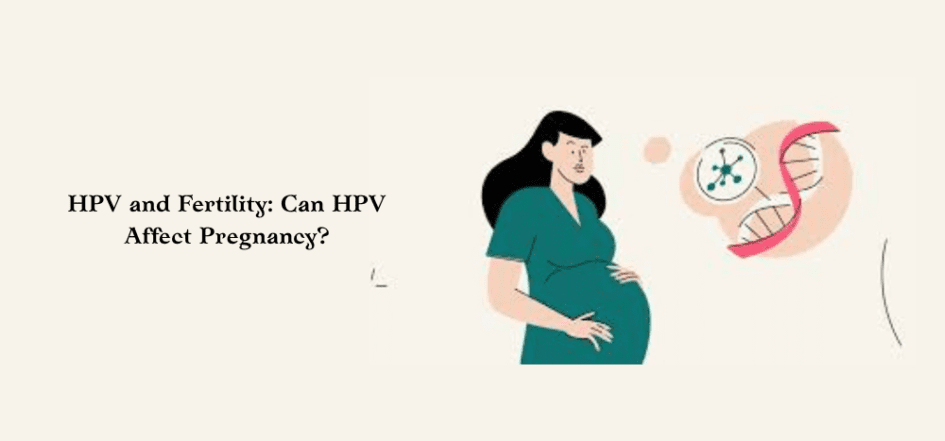
Human papillomavirus (HPV) is one of the most common viral infections in the world. In fact, most sexually active people will get HPV at some point in their lives. But when couples are trying to conceive, many questions start to arise.
Can HPV affect fertility?
Does HPV make it harder to get pregnant?
Can HPV impact IVF success?
If you are planning a baby or considering fertility treatment, understanding the connection between HPV and fertility becomes essential.
Think of your reproductive system like a garden where new life grows. For healthy plants to grow, the soil, environment, and conditions must be right. Similarly, your reproductive health must be in good condition for pregnancy to happen naturally.
In this article, we’ll explore how HPV (human papillomavirus) may affect fertility, pregnancy, and fertility treatments. We’ll also discuss when it is important to consult the best IVF Doctor in Delhi NCR for proper guidance and treatment.
1. What is HPV?
Human Papillomavirus (HPV) is a group of more than 200 related viruses that can infect the skin and mucous membranes.
HPV is mainly spread through sexual contact, including vaginal, anal, or oral sex.
There are two main categories:
- Low-risk HPV
- High-risk HPV
Most HPV infections go away on their own without causing serious health problems. However, some types can lead to conditions such as genital warts or cervical cancer.
2. Types of HPV and Their Health Effects
HPV strains are divided based on the risk they pose to health.
Low-Risk HPV
These types usually cause:
- Genital warts
- Mild cell changes
- No long-term health risks
Common types include HPV 6 and HPV 11.
High-Risk HPV
These types are linked to cancers such as:
- Cervical cancer
- Anal cancer
- Throat cancer
- Penile cancer
Common high-risk strains include HPV 16 and HPV 18.
Understanding the type of HPV infection is important because high-risk HPV may influence reproductive health.
3. How Common is HPV?
HPV is extremely common worldwide.
According to global health studies:
- Nearly 80% of sexually active people will get HPV at some point
- Most infections clear naturally within 1–2 years
- Many people never develop symptoms
Because HPV often shows no signs or symptoms, many people don’t even realize they have it.
4. Can HPV Affect Fertility?
This is one of the most frequently asked questions by couples planning a pregnancy.
The simple answer is HPV usually does not directly cause infertility, but it can affect fertility in certain situations.
Possible ways HPV may influence fertility include:
- Changes in cervical cells
- Inflammation in reproductive organs
- Effects on sperm health
- Complications from HPV treatments
Think of HPV like a temporary disturbance in the reproductive system. In most cases, the body clears the infection and fertility returns to normal.
However, in some cases, medical guidance from the best IVF doctor in Delhi NCR may be needed.
5. HPV and Female Fertility
HPV may impact female fertility in several ways.
1. Cervical Cell Changes
Persistent HPV infections can cause abnormal cervical cells, which may require treatment.
Some treatments involve removing abnormal cells, which could slightly affect the cervix.
2. Cervical Procedures
Procedures like:
- LEEP
- Cone biopsy
may weaken the cervix in some cases, potentially affecting pregnancy.
3. Cervical Mucus Changes
HPV infections may affect cervical mucus, which helps sperm travel to the egg.
Without proper mucus, sperm movement may become more difficult.
6. HPV and Male Fertility
HPV can also affect male fertility.
Research shows that HPV infection may impact sperm quality.
Possible effects include:
- Reduced sperm motility
- DNA damage in sperm
- Lower fertilization rates
HPV may attach to sperm cells, potentially affecting their ability to fertilize an egg.
This is why fertility testing for both partners is important when couples struggle to conceive.
7. Can HPV Affect Pregnancy?
Most women with HPV have healthy pregnancies and babies.
However, in some cases HPV may cause:
- Cervical changes during pregnancy
- Genital warts
- Rare transmission during childbirth
Doctors usually monitor HPV infections carefully during pregnancy to avoid complications.
8. HPV and IVF Treatment
Many couples worry whether HPV can affect IVF success.
The good news is that IVF treatment can still be successful with HPV.
However, doctors may recommend the following:
- Treating active infections first
- Monitoring cervical health
- Testing both partners
Consulting the best IVF Doctor in Delhi NCR ensures that fertility treatment is planned safely and effectively.
9. Symptoms of HPV You Should Know
Most HPV infections show no symptoms at all.
However, some signs may include:
- Genital warts
- Abnormal Pap smear results
- Unusual growths around the genital area
Because symptoms are often absent, regular screening is important.
10. How HPV is Diagnosed
HPV is usually detected through medical screening.
Common diagnostic tests include:
Pap Smear Test
- Detects abnormal cervical cells
HPV DNA Test
- Identifies high-risk HPV strains
Visual Examination
- Doctors may check for genital warts
Regular testing helps detect HPV early and reduce future complications.
11. Treatment Options for HPV
There is no cure for HPV itself, but treatments can manage its effects.
Common treatments include:
- Removal of genital warts
- Treatment of abnormal cervical cells
- Monitoring of high-risk infections
In many cases, the immune system clears HPV naturally.
12. Preventing HPV Infection
Prevention is the best protection against HPV.
Effective strategies include:
HPV Vaccination
- The HPV vaccine protects against the most dangerous strains
Safe Sexual Practices
- Using protection can reduce HPV transmission
Regular Screening
- Pap smears and HPV tests help detect early changes
Prevention protects both fertility and long-term reproductive health.
13. When to See a Fertility Specialist
If you have HPV and are planning pregnancy, it may help to consult a specialist if:
- You have been trying to conceive for more than 12 months
- You have abnormal Pap smear results
- You have had cervical procedures
- You are planning IVF
The best IVF doctor in Delhi NCR can evaluate your reproductive health and recommend the right treatment plan.
14. Emotional Impact of HPV and Infertility
Dealing with HPV while trying to conceive can be emotionally stressful.
Couples often feel:
- Anxiety
- Fear about fertility
- Stress about treatment
Remember, HPV is very common, and many people with HPV go on to have healthy pregnancies.
Support from doctors, counselors, and partners can make the journey easier.
15. Tips for Protecting Fertility with HPV
If you have HPV and want to protect your fertility, consider these tips:
- Maintain regular gynecological check-ups
- Follow recommended screening schedules
- Maintain a healthy immune system
- Avoid smoking
- Consider HPV vaccination if recommended
- Seek early fertility consultation if needed
Early care can significantly improve reproductive outcomes.
Conclusion
HPV is a very common infection, and in most cases, it does not prevent pregnancy. Many people with HPV conceive naturally and have healthy babies.
However, persistent infections, cervical treatments, or sperm-related issues may influence fertility in some cases. That’s why regular screening and proper medical guidance are essential.
If you are concerned about HPV and fertility, consulting the best IVF Doctor in Delhi NCR can help you understand your options and create a safe path toward parenthood.
With early detection, proper treatment, and the right fertility support, many couples successfully achieve their dream of having a baby.
FAQs
1. Can HPV make it harder to get pregnant?
HPV usually does not directly cause infertility. However, complications from persistent infections or treatments for cervical abnormalities may sometimes affect fertility.
2. Can HPV affect IVF success?
Some studies suggest HPV may slightly influence IVF outcomes, but many couples still achieve successful pregnancies through IVF treatment.
3. Should I delay pregnancy if I have HPV?
Not always. Many people with HPV can safely try to conceive, but it is best to consult a fertility specialist for personalized advice.
4. Can HPV be passed to a baby during pregnancy?
Transmission from mother to baby is rare. Most pregnancies with HPV are completely safe and healthy.
5. When should I see the best IVF Doctor in Delhi NCR for HPV-related fertility concerns?
You should consult a fertility specialist if you have HPV and have been trying to conceive for more than 12 months, or if you have abnormal cervical tests or fertility concerns.