
Introduction
Starting your IVF journey can feel a little like preparing for a long road trip. You’re excited about the destination—holding your baby in your arms—but the journey itself requires planning, patience, and preparation.
If you’re considering IVF (In Vitro Fertilization), you’re not alone. Thousands of couples explore fertility treatments every year to achieve their dream of parenthood. But before jumping straight into treatment, there are several important steps women should take to improve their chances of success.
Think of IVF preparation like preparing the soil before planting a seed. The healthier and more prepared the environment is, the better the chances that the seed will grow into something beautiful.
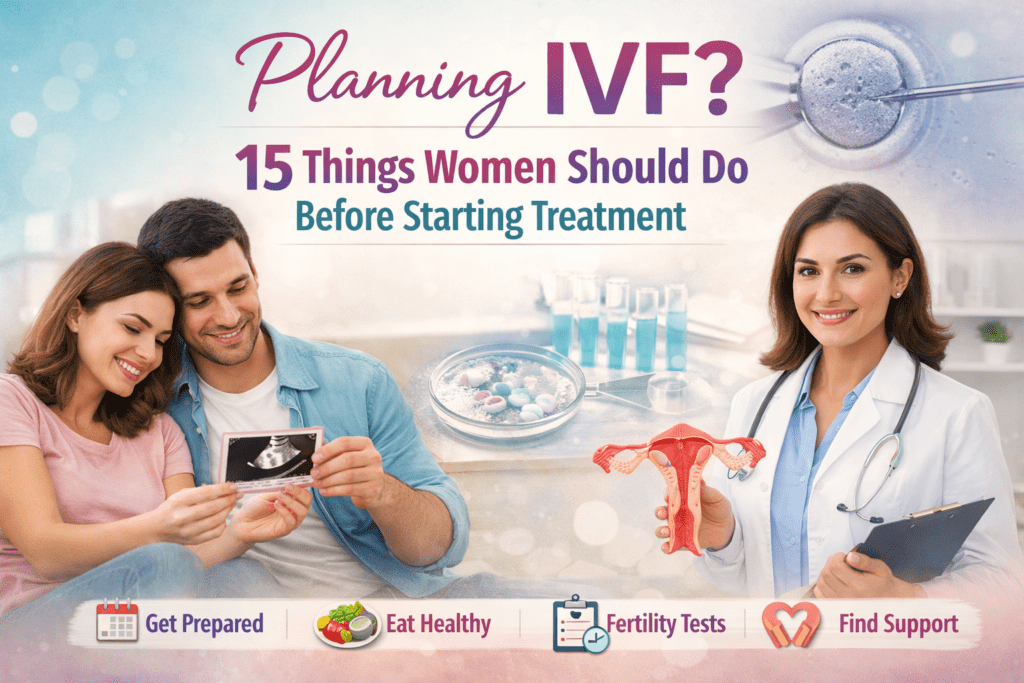
In this guide, we’ll walk through 15 important things women should do before starting IVF treatment, especially if you’re planning to consult the best IVF doctor in Delhi NCR.
1. Understand How IVF Works
Before starting treatment, it’s important to fully understand the IVF process.
IVF involves several stages:
- Ovarian stimulation
- Egg retrieval
- Fertilization in the lab
- Embryo transfer
- Pregnancy testing
Many women begin IVF without fully understanding these steps, which can lead to confusion or anxiety later.
Knowledge gives you confidence. When you know what to expect, the entire journey becomes less overwhelming.
Take time to ask questions during consultations with the best IVF Doctor in Delhi NCR so you can make informed decisions.
2. Choose the Right Fertility Specialist
One of the most important steps is selecting the right IVF specialist and fertility clinic.
Not all fertility centers offer the same level of expertise, technology, or patient care.
When choosing a clinic, consider:
- Doctor’s experience
- IVF success rates
- Advanced lab facilities
- Patient reviews
- Personalized treatment plans
Consulting the best IVF doctor in Delhi NCR can significantly improve your chances of a successful pregnancy.
Remember, IVF is not just about technology—it’s also about the expertise guiding the process.
3. Get Complete Fertility Testing
Before starting IVF, doctors usually recommend comprehensive fertility tests.
These tests help identify the cause of infertility and allow doctors to create a customized treatment plan.
Common tests include:
- Hormone level tests
- AMH (Anti-Müllerian Hormone) test
- Ultrasound scans
- Ovarian reserve testing
- Fallopian tube evaluation
These tests help doctors understand your reproductive health and design the most effective IVF protocol.
4. Improve Your Diet and Nutrition
Your body needs the right nutrients to support fertility and pregnancy.
A fertility-friendly diet can improve egg quality and hormonal balance.
Include foods such as:
- Fresh fruits and vegetables
- Whole grains
- Healthy fats
- Lean protein
- Nuts and seeds
Avoid:
- Excess sugar
- Processed foods
- Trans fats
Think of nutrition as fuel for your reproductive system. The better the fuel, the better your body performs during IVF.
5. Maintain a Healthy Weight
Weight plays a major role in fertility.
Both underweight and overweight women may experience hormonal imbalances that affect ovulation and IVF success.
Doctors often recommend achieving a healthy BMI before IVF treatment.
Benefits of maintaining a healthy weight include:
- Better response to fertility medications
- Improved egg quality
- Higher implantation success rates
Even small lifestyle changes like daily walking or yoga can make a difference.
6. Quit Smoking and Limit Alcohol
Smoking and alcohol can significantly affect fertility.
Smoking may:
- Reduce egg quality
- Damage ovarian reserve
- Lower IVF success rates
Alcohol can also interfere with hormone balance.
Experts recommend stopping smoking at least three months before IVF.
If you’re serious about IVF success, this step is non-negotiable.
7. Start Prenatal Vitamins
Many fertility specialists recommend prenatal vitamins before IVF treatment.
One of the most important nutrients is folic acid, which helps prevent birth defects and supports early fetal development.
Other helpful nutrients include:
- Vitamin D
- Iron
- Omega-3 fatty acids
- Calcium
Your doctor may suggest specific supplements based on your health and fertility test results.
8. Manage Stress and Emotional Health
IVF can be emotionally challenging.
Waiting for results, dealing with injections, and managing expectations can create stress and anxiety.
That’s why emotional well-being is just as important as physical health.
Helpful strategies include:
- Meditation
- Yoga
- Talking to a counselor
- Joining fertility support groups
Think of stress like background noise—it may not stop the music, but reducing it helps you enjoy the journey more.
9. Track Your Menstrual Cycle
Understanding your menstrual cycle helps doctors determine the best timing for IVF treatment.
You can track your cycle using:
- Fertility apps
- Ovulation predictor kits
- Basal body temperature charts
Cycle tracking helps identify:
- Ovulation patterns
- Hormonal irregularities
- Cycle length
This information is extremely useful for fertility specialists.
10. Review Current Medications
Certain medications can affect fertility and pregnancy.
Before IVF, your doctor will review any medications you are currently taking.
Some medications may need to be:
- Stopped
- Adjusted
- Replaced with safer alternatives
Always inform your fertility doctor about all medications and supplements you use.
11. Treat Existing Medical Conditions
Chronic health conditions can impact IVF success.
Conditions that may require management include:
- Thyroid disorders
- Diabetes
- PCOS
- Endometriosis
- High blood pressure
Proper treatment of these conditions improves overall reproductive health and pregnancy outcomes.
Your doctor may recommend treatment before starting IVF cycles.
12. Improve Sleep Habits
Sleep plays a critical role in hormonal balance.
Poor sleep can affect fertility hormones such as:
- Estrogen
- Progesterone
- Melatonin
Experts recommend 7–8 hours of quality sleep every night.
Simple steps to improve sleep include:
- Avoiding screens before bed
- Keeping a consistent sleep schedule
- Practicing relaxation techniques
Good sleep prepares your body for the physical demands of IVF.
13. Discuss Genetic Testing
Some couples benefit from genetic testing before IVF.
Tests may include:
- Carrier screening
- Preimplantation genetic testing (PGT)
These tests help identify genetic conditions that could affect the baby.
For couples with a history of genetic disorders, genetic testing can help ensure healthier embryos.
14. Prepare Financially for IVF
IVF can be expensive, so financial planning is essential.
Costs may include:
- Consultation fees
- Fertility medications
- Lab procedures
- Embryo freezing
Some clinics offer EMI plans or IVF packages.
Discussing the costs upfront with the best IVF Doctor in Delhi NCR helps you plan your treatment without unexpected stress.
15. Build a Support System
The IVF journey can be emotional, so having a strong support system is incredibly important.
Support can come from:
- Your partner
- Family members
- Friends
- Fertility support groups
Sharing your feelings and experiences can reduce anxiety and provide encouragement when you need it most.
Remember—you don’t have to go through IVF alone.
Conclusion
Preparing for IVF is about much more than medical procedures—it’s about creating the best possible environment for pregnancy.
From improving your health and nutrition to managing stress and choosing the right fertility specialist, every step plays a role in increasing IVF success.
Think of it as building a strong foundation before constructing a house. The stronger the foundation, the more stable the structure.
If you’re planning IVF, consulting the best IVF Doctor in Delhi NCR can help guide you through every stage of the journey with expert care and personalized treatment.
With the right preparation, support, and medical guidance, your dream of parenthood may be closer than you think.
FAQs
1. How long should I prepare before starting IVF treatment?
Most fertility experts recommend preparing for at least 2–3 months before IVF, as egg development takes about 90 days.
2. Does lifestyle affect IVF success rates?
Yes. Factors like diet, weight, smoking, stress, and sleep significantly impact fertility and IVF outcomes.
3. Is IVF painful for women?
Most IVF procedures cause mild discomfort rather than severe pain. Doctors use sedation during egg retrieval to minimize discomfort.
4. What age is best for IVF treatment?
IVF success rates are generally higher for women under 35, but many women in their late 30s and early 40s also achieve successful pregnancies.
5. How do I choose the best IVF Doctor in Delhi NCR?
Look for a fertility specialist with high IVF success rates, extensive experience, advanced lab facilities, and positive patient reviews.