- Dr Rupali
- July 31, 2026
Pyosalpinx is a serious but treatable condition that affects a woman’s reproductive system. It occurs when one or both fallopian tubes become filled with pus due to a bacterial infection. Although it is not as commonly discussed as other gynecological conditions, pyosalpinx requires prompt medical attention because delayed treatment can lead to infertility, chronic pelvic pain, ectopic pregnancy, or even life-threatening infections.
Think of your fallopian tubes like narrow highways connecting the ovaries to the uterus. When an infection blocks these pathways and fills them with pus, the journey of an egg becomes nearly impossible. Fortunately, early diagnosis and proper treatment can protect reproductive health and improve future fertility.
If you’re experiencing persistent pelvic pain, fever, or unusual vaginal discharge, don’t ignore these symptoms. Seeking help from an experienced gynecologist or the best IVF Doctor in Delhi NCR can make a significant difference, especially if you are planning a pregnancy.
1. What Is Pyosalpinx?
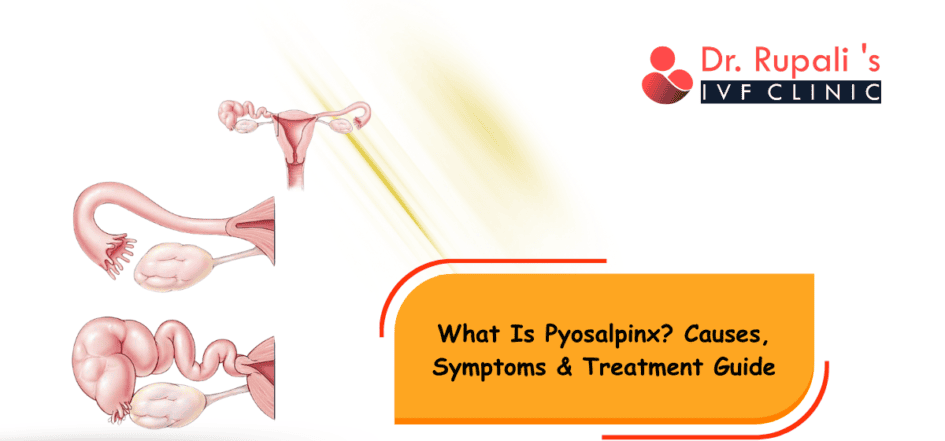
Pyosalpinx is a serious condition in which pus accumulates inside one or both fallopian tubes due to a bacterial infection. It is commonly considered an advanced complication of Pelvic Inflammatory Disease (PID).
Under normal circumstances, the fallopian tubes carry an egg from the ovary to the uterus. However, when harmful bacteria enter the reproductive tract, they can cause inflammation, swelling, and eventually fill the tubes with pus.
If left untreated, pyosalpinx can spread the infection to nearby organs, increase the risk of infertility, and lead to other serious health complications. Early diagnosis and prompt treatment are essential for protecting reproductive health.
2. Understanding the Fallopian Tubes
The fallopian tubes are a vital part of the female reproductive system and play an important role in natural conception.
Functions of the Fallopian Tubes
- Collect the egg after it is released from the ovary during ovulation.
- Provide the site for fertilization, where sperm meets the egg.
- Transport the fertilized egg safely to the uterus for implantation.
When pyosalpinx damages or blocks these tubes, it can become difficult for the egg and sperm to meet, making pregnancy much more challenging.
3. How Does Pyosalpinx Develop?
Pyosalpinx usually develops gradually rather than suddenly. It often begins with an untreated infection that spreads through the reproductive tract.
How the Infection Progresses
- Bacteria enter the reproductive tract.
- The infection spreads upward into the uterus.
- The fallopian tubes become inflamed.
- Pus begins to collect inside the tubes.
- The tubes swell, become blocked, and may lose their normal function.
If treatment is delayed, pyosalpinx can progress into a tubo-ovarian abscess, a severe infection involving both the ovary and fallopian tube that requires immediate medical attention.
4. Early Warning Signs of Pyosalpinx
Recognizing the symptoms early can prevent serious complications and protect fertility.
Pelvic Pain
Persistent or severe pain in the lower abdomen or pelvis is one of the earliest and most common symptoms.
Fever
A bacterial infection often causes a high temperature, chills, and general discomfort.
Abnormal Vaginal Discharge
You may notice vaginal discharge that is:
- Thick
- Yellow or green in color
- Foul-smelling
Pain During Sexual Intercourse
Inflamed reproductive organs can make intercourse uncomfortable or painful.
Painful Urination
Some women experience a burning sensation or pain while passing urine.
Irregular Menstrual Bleeding
The infection may affect your menstrual cycle, causing:
- Heavy bleeding
- Irregular periods
- Increased menstrual pain
Nausea and Fatigue
As your body fights the infection, you may feel unusually tired, weak, or nauseous.
5. Common Causes and Risk Factors
Several bacterial infections and medical conditions can lead to pyosalpinx.
Pelvic Inflammatory Disease (PID)
PID is the most common cause of pyosalpinx and usually develops when bacterial infections spread from the vagina to the upper reproductive organs.
Sexually Transmitted Infections (STIs)
The bacteria most commonly associated with pyosalpinx include:
- Chlamydia trachomatis
- Neisseria gonorrhoeae (Gonorrhea)
Post-Surgical Infections
Infections can occasionally occur after gynecological procedures, including:
- Dilation and Curettage (D&C)
- Cesarean delivery
- Hysteroscopy
- Other pelvic surgeries
Postpartum Infections
Infections after childbirth may spread into the fallopian tubes if not treated promptly.
Untreated Vaginal Infections
Ignoring vaginal infections increases the likelihood of bacteria spreading to the reproductive organs.
6. Who Is Most at Risk?
Although pyosalpinx can affect any woman, certain factors significantly increase the risk.
Major Risk Factors
- Having multiple sexual partners
- Previous episodes of PID
- A history of sexually transmitted infections
- Previous pelvic surgery
- Intrauterine medical procedures
- Poor genital hygiene
- Delayed treatment of reproductive tract infections
Having one or more of these risk factors does not necessarily mean you will develop pyosalpinx, but it does increase your chances.
7. How Does Pyosalpinx Affect Fertility?
One of the most concerning complications of pyosalpinx is reduced fertility.
The infection may:
- Damage the delicate lining of the fallopian tubes
- Cause scar tissue formation
- Block the movement of eggs
- Prevent fertilization
- Increase the risk of an ectopic pregnancy
Women planning a pregnancy should seek treatment as early as possible. If significant tubal damage has occurred, assisted reproductive techniques such as IVF may provide the best chance of conception. Consulting the best IVF Doctor in Delhi NCR can help determine the most suitable fertility treatment after recovery.
8. Diagnosis and Medical Tests
Early diagnosis is essential for preventing permanent damage to the reproductive organs.
Medical History
Your doctor will ask about:
- Current symptoms
- Menstrual history
- Sexual history
- Previous pelvic infections
- Past surgeries
Pelvic Examination
A physical examination helps identify tenderness, swelling, and signs of infection.
Pelvic Ultrasound
Ultrasound is commonly used to detect enlarged fallopian tubes filled with fluid or pus.
Blood Tests
Blood tests help identify infection by checking inflammatory markers and white blood cell counts.
Vaginal or Cervical Swab
Samples are collected to identify the bacteria causing the infection.
MRI or CT Scan
These imaging tests may be recommended for complicated or severe cases.
Laparoscopy
Laparoscopy is a minimally invasive procedure that allows doctors to directly examine the fallopian tubes and confirm the diagnosis.
9. Treatment Options
Treatment depends on the severity of the infection and how early it is diagnosed.
Antibiotics
Antibiotics are the first and most important treatment for pyosalpinx. Doctors usually prescribe broad-spectrum antibiotics that target multiple types of bacteria.
Completing the full course of medication is essential, even if symptoms improve.
Hospitalization
Women with severe infections may require admission to the hospital for intravenous (IV) antibiotics and close monitoring.
Drainage
If a large collection of pus develops, doctors may recommend draining the infected fluid using minimally invasive procedures.
Prompt treatment greatly reduces the risk of permanent reproductive damage.
10. Can Surgery Be Required?
Yes. Surgery may be necessary if antibiotics alone are not effective.
Surgery May Be Recommended If:
- A large abscess develops
- Antibiotics fail to control the infection
- The fallopian tube ruptures
- Severe pelvic infection persists
- Chronic pelvic pain continues
Laparoscopic Surgery
This minimally invasive procedure allows surgeons to remove infected tissue while preserving healthy reproductive organs whenever possible.
Salpingectomy
If the fallopian tube has been severely damaged, it may need to be removed. Doctors always aim to preserve fertility whenever it is medically safe.
11. Recovery and Aftercare
Recovery depends on how quickly treatment begins and the severity of the infection.
Tips for a Faster Recovery
- Complete all prescribed medications.
- Attend every follow-up appointment.
- Avoid sexual intercourse until your doctor approves.
- Drink plenty of water.
- Eat a healthy, balanced diet.
- Get enough rest to support healing.
With early treatment, most women recover successfully.
12. Possible Complications
Untreated pyosalpinx can lead to serious reproductive and overall health problems.
Potential Complications Include:
- Infertility
- Chronic pelvic pain
- Pelvic adhesions (scar tissue)
- Ectopic pregnancy
- Tubo-ovarian abscess
- Sepsis (a life-threatening infection)
- Recurrent pelvic infections
Fortunately, timely diagnosis and appropriate treatment significantly reduce these risks.
13. Prevention Tips
Although pyosalpinx cannot always be prevented, healthy habits can greatly reduce your risk.
Practice Safe Sex
Using condoms helps lower the risk of sexually transmitted infections.
Schedule Regular Gynecological Checkups
Routine examinations help detect infections before they become serious.
Treat Vaginal Infections Early
Never ignore symptoms such as unusual discharge, pelvic pain, or foul odor.
Maintain Good Personal Hygiene
Proper hygiene helps reduce bacterial growth and infection.
Complete Every Antibiotic Course
Stopping antibiotics too early may allow the infection to return.
Get Routine STI Screening
Regular screening helps identify infections before they spread to the reproductive organs.
14. When Should You See a Doctor?
Seek medical attention immediately if you experience:
- Severe pelvic pain
- High fever
- Foul-smelling vaginal discharge
- Pain during sexual intercourse
- Heavy or abnormal vaginal bleeding
- Persistent lower abdominal pain
- Difficulty becoming pregnant after treatment
Women planning pregnancy after recovering from pyosalpinx should consult both a gynecologist and the best IVF Doctor in Delhi NCR to evaluate fallopian tube health and discuss fertility options if needed.
15. Final Thoughts
Pyosalpinx is a serious gynecological infection that should never be ignored. While it can affect fertility and overall reproductive health, early diagnosis and timely treatment can lead to a full recovery and help prevent long-term complications.
Recognizing warning signs such as pelvic pain, fever, and abnormal vaginal discharge is the first step toward protecting your health.
If you are trying to conceive after recovering from pyosalpinx, consulting the best IVF Doctor in Delhi NCR can help assess your fertility, evaluate fallopian tube function, and recommend the most suitable treatment options.
Remember, taking action early is the best way to protect both your reproductive health and your future family plans.
## Frequently Asked Questions (FAQs)
1. Can pyosalpinx be cured with antibiotics alone?
Yes. Mild to moderate cases often respond well to antibiotics when diagnosed early. Severe infections, however, may require drainage or surgery.
2. Can I get pregnant after pyosalpinx?
Many women conceive naturally after successful treatment. However, if the fallopian tubes are severely damaged, IVF may offer the best chance of pregnancy.
3. Is pyosalpinx a sexually transmitted disease?
No. Pyosalpinx is not an STI itself, but it often develops as a complication of untreated sexually transmitted infections such as chlamydia or gonorrhea.
4. How long does recovery from pyosalpinx take?
Most women begin to feel better within a few days of starting treatment, but complete recovery can take several weeks depending on the severity of the infection.
5. Can pyosalpinx return after treatment?
Yes. Recurrence is possible if the underlying infection is not completely treated or if a new pelvic infection develops. Regular follow-up care and preventive measures can significantly reduce the risk.