Introduction
The body changes a lot during pregnancy, but the small structure that deserves the most recognition is the cervix. Most people have never heard of things like cervical length, cervical openings, or cervical insufficiency.
Despite its small size, the cervix behaves like a strong, perfectly constructed door between the uterus and vagina. While the baby grows, the closed and firm cervix helps protect the baby and support the pregnancy. Then, in preparation for childbirth, the door relaxes, gets shorter, and opens.
Being informed about the cervix during pregnancy helps parents-to-be understand the changes the body goes through and recognise which changes may be an immediate cause for concern. This article explains the functions, changes, and complications of the cervix during pregnancy and includes guidance on when to seek professional care.
Learn the cervix role in pregnancy, including its functions, changes, complications, and warning signs. Get expert fertility guidance from the best IVF Doctor in Delhi NCR when needed.
Table of Contents
| Sr# | Headings |
|---|---|
| 1 | What Does the Cervix Do? |
| 2 | Where Is Your Cervix Located? |
| 3 | What Does Your Cervix Do During Pregnancy? |
| 4 | How Does the Cervix Keep the Baby Safe? |
| 5 | How Does the Cervix Change During Early Pregnancy? |
| 6 | How Does the Cervix Change During the Second Trimester? |
| 7 | How Does the Cervix Change Before Giving Birth? |
| 8 | What Are Cervical Effacement and Dilatation? |
| 9 | What Is Cervical Length and Why Is It Important? |
| 10 | What Is Cervical Insufficiency and Why Is It a Concern? |
| 11 | What Are Other Cervical Concerns During Pregnancy? |
| 12 | How Do Doctors Assess the Health of the Cervix? |
| 13 | What Are the Options for Management and Treatment? |
| 14 | When Is It Urgent to Call Your Doctor? |
| 15 | How Is Cervical Health Related to Pregnancy, Fertility, and IVF? |
1. What Does the Cervix Do?
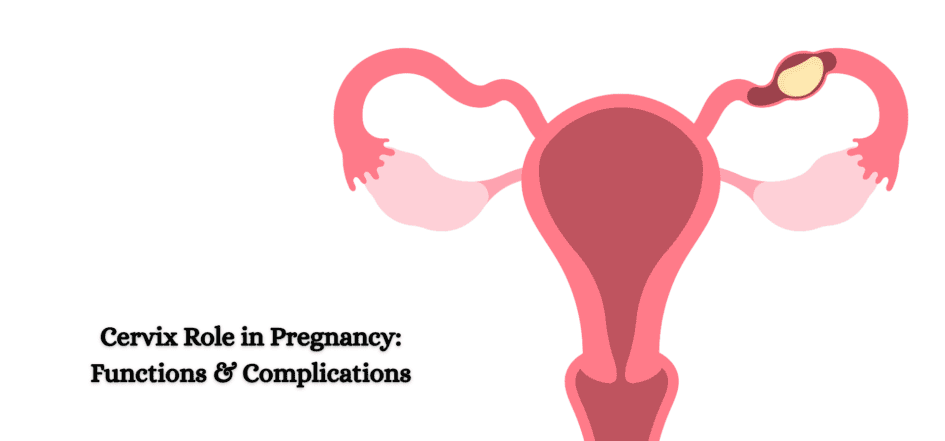
The cervix is the lower part of the uterus that connects the uterus to the vagina. It is commonly referred to as the neck of the womb.
Even though the cervix is small, it carries out many important functions throughout a woman’s reproductive life. It helps regulate the passage of menstrual blood during the menstrual cycle. It can also change the consistency of cervical mucus to support sperm movement during the fertile period. During pregnancy, its importance increases even further.
A healthy cervix must provide support, protection, and flexibility. For most of pregnancy, the cervix needs to stay closed. However, as childbirth approaches, it must prepare to soften and open to allow the baby to pass through.
The cervix is an amazing part of the body because it remains firm and supportive for most of pregnancy and then gradually transforms to prepare for birth.
2. Where Is the Cervix Located?
The cervix is located at the bottom of the uterus, where it connects the uterus to the vagina. It has one opening that leads toward the uterus and another that leads toward the vagina.
When a person is not pregnant, the cervix allows menstrual blood to leave the uterus and helps sperm enter the reproductive tract at the appropriate time.
During pregnancy, however, the role of the cervix changes. Its main job becomes maintaining the pregnancy and helping keep the developing baby safe.
Doctors can assess the cervix in different ways. A physical examination may provide useful information, while a cervical ultrasound, particularly a transvaginal ultrasound, can provide a more accurate measurement in many situations.
3. What Does Your Cervix Do During Pregnancy?
The most important cervix role in pregnancy is helping to keep the pregnancy safely inside the uterus.
For the majority of pregnancy, the cervix is generally:
- Closed
- Firm
- Long enough to provide support
- Protected by thick cervical mucus
The uterus is the developing baby’s protected space, and the cervix acts like a secure door. It helps keep that space protected while the baby grows. When the pregnancy reaches term and the body begins preparing for childbirth, the cervix gradually starts to change and open.
The cervix also helps separate the uterus from the outside environment. This separation provides an additional layer of protection while the baby develops.
4. How Does the Cervix Keep the Baby Safe?
One of the important protective features of the cervix is its production of cervical mucus. During pregnancy, this mucus becomes thicker and forms the mucus plug.
The mucus plug helps block the cervical canal and may reduce the movement of germs toward the uterus. It is one of the body’s natural protective mechanisms during pregnancy.
As the body approaches childbirth, the mucus plug may begin to come away. You may notice thick mucus, sometimes with a small amount of blood. This does not necessarily mean that labour will begin immediately, but it can indicate that the body is starting to prepare for birth.
If you experience unusual bleeding, leaking fluid, severe pain, or other concerning symptoms, contact your healthcare provider promptly.
5. How Does the Cervix Change During Early Pregnancy?
The cervix goes through several changes during the early stages of pregnancy.
These changes may include:
Increased Blood Flow: The blood supply to the cervix may increase because of hormonal changes during pregnancy.
Changes in Texture: The cervix may gradually become softer as pregnancy progresses.
Mucus Production: The cervix produces thicker mucus, which contributes to the formation of the mucus plug.
Closure: The cervix generally remains closed to help support the developing pregnancy.
Most of these changes are not easy to identify without a medical examination. Many cervical changes happen silently, which is why regular antenatal care is important.
Based on your medical history, symptoms, and stage of pregnancy, your healthcare team can determine whether further assessment is needed.
6. How Does the Cervix Change During the Second Trimester?
The second trimester is often a period when the cervix continues to provide important support for the growing pregnancy.
For most women, the cervix remains closed and provides adequate support. However, some pregnancies may require additional monitoring. A history of the following may prompt closer attention to cervical health:
- Previous preterm birth
- Previous cervical surgery
- Pregnancy loss during the second trimester
- Cervical insufficiency
- Uterine or cervical abnormalities
When medically indicated, doctors may measure the cervix using a transvaginal ultrasound. This can help determine whether the cervix is shortening earlier than expected.
Having a short cervix does not guarantee that preterm labour will occur. However, it may indicate that the pregnancy needs closer monitoring or individualised treatment.
7. How Does the Cervix Change Before Giving Birth?
As the body prepares for childbirth, the cervix also begins an important transformation.
The cervix may gradually:
- Soften
- Become thinner
- Shorten
- Move into a more favourable position
- Dilate or open
These changes do not necessarily happen all at once. Some may begin before labour becomes active.
There can be significant differences in how quickly cervical changes occur. In one pregnancy, the process may develop gradually over several weeks, while in another, it may happen much more quickly.
The cervix is influenced by hormonal changes, uterine contractions, and pressure from the baby’s head.
8. What Are Cervical Effacement and Dilatation?
Two important terms are commonly used when discussing cervical changes during labour: effacement and dilatation.
Effacement
During pregnancy, the cervix has length and thickness that help support the pregnancy. As labour approaches, the cervix gradually becomes shorter and thinner.
This process is called effacement and is often described as a percentage. A fully effaced cervix has become very thin in preparation for birth.
Dilatation
Dilatation refers to the opening of the cervix. During labour, the cervix gradually opens wider to allow the baby to move through the birth canal.
Both effacement and dilatation are important parts of childbirth. However, every labour is different, and the speed of cervical changes varies from person to person. Comparing your labour progress with someone else’s is often not helpful because every birth follows its own course.
9. What Is Cervical Length and Why Is It Important?
Cervical length refers to the measurement of the cervix along the cervical canal. During pregnancy, this measurement can provide useful information about the potential risk of complications, including preterm birth.
A cervix that shortens too early may not provide the same level of support throughout the pregnancy. Because of this, doctors may monitor cervical length in people with certain risk factors or relevant medical histories.
It is important to remember that one measurement does not tell the whole story. Other factors may also be considered, including:
- Gestational age
- Your symptoms
- Your previous pregnancy history
- Ultrasound findings
- Changes in the cervix over time
Your doctor will consider the complete clinical picture when deciding what the next steps should be.
10. What Is Cervical Insufficiency and Why Is It a Concern?
Cervical insufficiency, sometimes referred to as an incompetent cervix, occurs when the cervix begins to shorten or open too early in pregnancy, often without the usual pattern of labour.
This can increase the risk of pregnancy loss or preterm birth.
A history of certain cervical procedures, cervical trauma, or previous pregnancy complications may increase the risk. However, cervical insufficiency can sometimes occur without an obvious cause.
The symptoms may be mild or absent. Some people may experience:
- Pelvic pressure
- Back pain
- Changes in vaginal discharge
- Spotting or bleeding
- Cramping
These symptoms can also occur for other reasons and do not automatically mean that a person has cervical insufficiency. However, they should not be ignored, especially during pregnancy.
11. What Are Other Cervical Concerns During Pregnancy?
There are several other conditions that can affect the cervix during pregnancy.
Cervical Shortening
Some pregnant women may experience cervical shortening. Depending on the stage of pregnancy and medical history, closer monitoring or specific treatment may be recommended.
Cervical Polyps
Cervical polyps are growths that occur on the cervix. Some may cause spotting or bleeding, particularly after intercourse or a medical examination. A healthcare professional can determine whether further evaluation is needed.
Infection and Inflammation
Infections and inflammation of the reproductive tract may cause unusual discharge, pain, or bleeding. These symptoms should not be self-diagnosed, especially during pregnancy.
Previous Cervical Surgery
Some women may have undergone cervical surgery before becoming pregnant. Depending on the type of procedure, doctors may recommend additional cervical monitoring during pregnancy.
Not every cervix-related concern leads to a poor pregnancy outcome. Early assessment and appropriate medical care can help manage many problems.
12. How Do Doctors Assess the Health of the Cervix?
Doctors use several methods to assess cervical health during pregnancy.
Medical History
Your medical history provides important information. Your doctor may ask whether you have experienced:
- Previous pregnancies
- Second-trimester pregnancy loss
- Previous cervical surgery
- Previous preterm birth
Physical Examination
A healthcare professional may perform a pelvic examination when necessary to determine whether the cervix is closed, opening, or showing other changes.
Ultrasound
A transvaginal ultrasound may be used when an accurate measurement of cervical length is required. This type of ultrasound provides a close view of the cervix and can help monitor changes over time.
Symptom Assessment
Symptoms such as pelvic pressure, cramping, bleeding, or leaking fluid may prompt further cervical assessment.
Regular pregnancy check-ups are important because they can help identify concerns early.
13. What Are the Options for Management and Treatment?
Treatment depends on the cause of the concern, how far the pregnancy has progressed, and the individual’s medical history.
Some women may require more frequent monitoring and additional ultrasounds. In selected situations, a doctor may recommend progesterone treatment to help reduce the risk of preterm birth.
Cervical Cerclage
A cervical cerclage involves placing a supportive stitch in the cervix. It may be recommended for carefully selected patients with a history or findings suggesting cervical insufficiency.
Not everyone with cervical shortening requires a cerclage. Your obstetrician will carefully consider the potential benefits and risks before recommending the procedure.
Managing Other Medical Conditions
If an infection, bleeding issue, or another medical concern is present, treatment will focus on the underlying cause.
Do not rely solely on generic online advice to manage pregnancy complications. The safest approach is to discuss pregnancy concerns with a qualified healthcare professional.
14. When Is It Urgent to Call Your Doctor?
Contact your healthcare provider if you experience any of the following during pregnancy:
- Vaginal bleeding
- A sudden gush of fluid or ongoing fluid leakage
- Regular or painful contractions before term
- Persistent pelvic pressure
- Constant or unusually painful abdominal cramps
- A significant change in vaginal discharge
- Severe or unusual back pain
These symptoms do not always indicate a serious complication. However, pregnancy symptoms that are unusual, sudden, or severe should not be ignored.
If symptoms are accompanied by heavy bleeding, intense pain, or a significant loss of fluid, seek urgent medical care without delay.
15. How Is Cervical Health Related to Pregnancy, Fertility, and IVF?
The cervix plays a role in fertility in addition to its important role during pregnancy. It produces cervical mucus, and the consistency of this mucus changes throughout the menstrual cycle. At the right time, it can support sperm movement through the reproductive tract.
For people experiencing infertility, many factors may be involved, including problems with:
- Ovulation
- Fallopian tubes
- Sperm
- The uterus
- Hormones
- Other reproductive conditions
Cervical issues are only one of many factors that may affect fertility.
During IVF, fertilisation takes place outside the body, and an embryo is later transferred into the uterus through the cervix. Fertility specialists evaluate overall reproductive health when planning treatment.
When searching for the best IVF Doctor in Delhi NCR, look beyond advertisements alone. Consider the doctor’s qualifications, professional experience, communication style, treatment approach, clinic facilities, and quality of counselling.
A good fertility specialist should clearly explain why a particular test or treatment is recommended. You should feel comfortable asking questions about your diagnosis, possible outcomes, treatment risks, costs, and available alternatives.
Conclusion
The cervix role in pregnancy is to help protect the developing baby and support the process of childbirth. During most of pregnancy, the cervix acts as a protective barrier between the uterus and the outside world. As pregnancy progresses and childbirth approaches, it gradually softens, shortens, thins, and opens to allow the baby to be born.
Understanding cervical length, effacement, dilatation, and possible complications can help you better understand your pregnancy journey. Most importantly, regular check-ups and prompt attention to unusual symptoms can support early identification and management of potential concerns.
If you have questions about cervical health, pregnancy complications, fertility, or IVF, speak with a qualified obstetric or fertility specialist for guidance based on your individual circumstances.
Frequently Asked Questions
1. What is the role of the cervix during pregnancy?
The cervix plays a critical role during pregnancy by helping keep the uterus closed and supporting the developing baby. It also contributes to protection by forming a thick mucus plug.
2. What happens to the cervix when labour starts?
When labour begins, the cervix gradually softens, becomes thinner through effacement, and opens through dilatation. These changes allow the baby to move through the birth canal.
3. What risks can a shortened cervix present during pregnancy?
A short cervix may increase the risk of preterm birth in some pregnancies. However, the significance of cervical shortening depends on the stage of pregnancy, medical history, symptoms, and other medical findings.
4. What are the symptoms of cervical insufficiency?
Cervical insufficiency may cause mild symptoms such as back pain, pelvic pressure, cramping, spotting, or changes in vaginal discharge. Some women may have no symptoms at all, so people with relevant risk factors may need closer medical monitoring.
5. What could prompt a visit to an IVF specialist in Delhi NCR?
You may consider consulting the best IVF Doctor in Delhi NCR if you are struggling to conceive, experiencing repeated pregnancy loss, have a diagnosed fertility concern, or want to discuss IVF. When choosing an IVF specialist, consider the doctor’s qualifications, experience, communication style, and approach to personalised care.