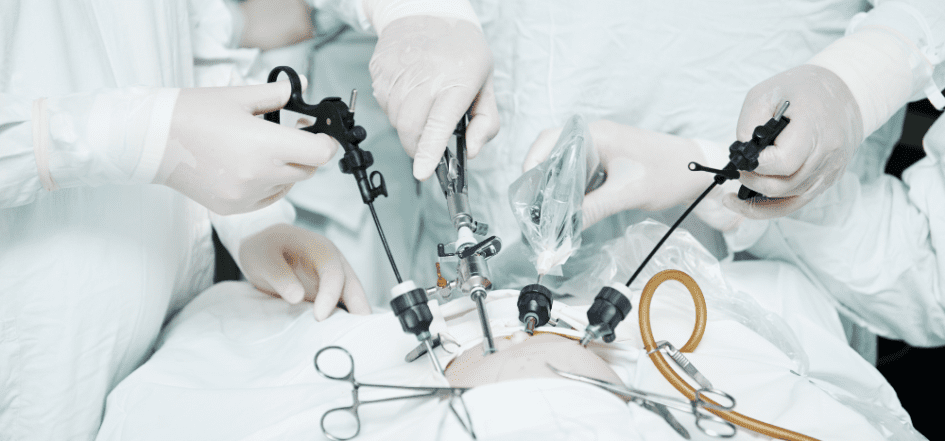
Have you or someone close to you noticed weight gain after Total Laparoscopic Hysterectomy (TLH) and wondered, “Is this normal?” You’re not alone. Many women ask this question after surgery, often with a mix of confusion, frustration, and concern.
Think of your body like a well-tuned orchestra. Before surgery, every instrument—hormones, metabolism, routine—was playing in sync. After a hysterectomy, a few instruments change, some pause, and the music feels… different. Weight changes can be part of that adjustment.
The good news? Weight gain after TLH is common, understandable, and often preventable. With the right knowledge, mindset, and guidance from the Best gynecologist in Sarita Vihar, you can regain control and feel confident in your body again.
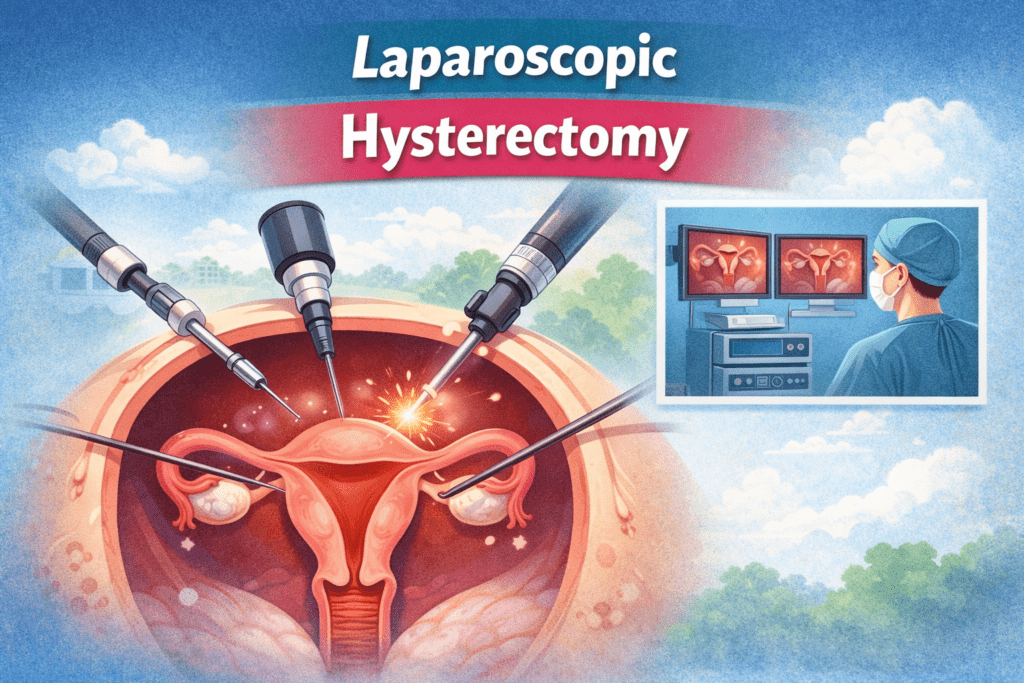
1. Understand Laparoscopic Hysterectomy in General
Total Laparoscopic Hysterectomy (TLH) is a minimally invasive surgery in which the uterus is removed using small incisions and a camera, offering faster recovery, reduced pain levels, and shorter hospital stays than open surgery.
But even with advanced techniques, your body still goes through major internal changes that could influence weight.
2. Is Weight Gain After TLH Common?
Yes. Many women post-surgery report temporary or gradual weight gain in the months following surgery. While this doesn’t indicate “causes obesity,” it can create conditions that make weight gain easier if unmanaged properly.
3. Hormonal Changes Following Hysterectomy
Even if your ovaries remain intact, their blood supply may diminish slightly.
Key effects include:
- Mild hormonal imbalance
- Increased fat accumulation around the belly area
- Changes in appetite and behavior
Hormones act like traffic signals for your metabolism; when these slow down, weight gain may result.
4. Less Physical Activity in Recovery
After treatment for TLH, rest is an integral component of recovery; however, too much rest over too long can actually backfire and do more harm than good.
What happens?
- Fewer calories burned
- Muscle loss
- Fat gain
This phase may only last temporarily but plays an essential part in weight-related changes early on.
5. Emotional Eating and Stress Eating
Let’s be clear—surgery is more than physical; it has emotional consequences too.
As soon as we recognize this pattern of emotional eating, the first step to managing it can be taken: acknowledging it and finding ways to change it.
6. Slower Metabolism After Surgery
Your body has entered recovery mode post-surgery. Metabolism may slow to conserve energy.
This means:
- Your energy requirements have decreased
- You may need fewer calories now
- Eating the same portions can now lead to weight gain
7. Role of Ovaries in Post-TLH Weight Gain
If the ovaries are removed (surgical menopause):
- Estrogen levels rapidly drop
- Fat redistribution accelerates
- Weight gain risk is elevated
Expert advice from one of Sarita Vihar’s top gynecologists becomes essential.
8. Effect of Medications
Some medications prescribed after surgery could result in:
- Water retention
- Increased appetite
- Lower activity levels
These side effects may be short-term or build over time.
9. Lifestyle Habits That Cause Weight Gain
Small habits matter more than you realize:
- Missing meals
- Late-night snacking
- Sugary beverages
- Screen-heavy lifestyle
How you choose to live after surgery matters greatly.
10. What Is an Acceptable Rate of Weight Gain?
Initial weight gains of 2–4 kg may be considered normal; however, persistent or rapid gains should not occur.
If your weight keeps increasing despite your efforts, it may be beneficial to seek evaluation by one of Sarita Vihar’s finest gynecologists.
11. Diet Tips After TLH Surgery
Think nourishment instead of restriction.
Focus on:
- High-protein foods (dal, eggs, paneer, fish)
- Fiber-rich fruits and vegetables
Avoid:
- Excess sugar
- Fried snacks
- Processed foods
12. Exercise: When and How to Begin
Begin slow but be strategic about it.
Suggested timeline:
- Week 3–6: Walking and gentle stretching
- After six weeks: Strength training focusing on core and muscle strength (under medical advice)
Movement is medicine.
13. Importance of Sleep for Mental Wellness
Poor sleep disrupts hunger hormones while stress increases belly fat accumulation.
Simple steps include:
- Maintaining a proper sleep routine
- Practicing breathing exercises
- Openly discussing emotional concerns
Your mind and body heal together.
14. Know When to Seek Medical Help
Seek help immediately if:
- Weight suddenly increases
- Extreme fatigue is present
- Mood changes persist
- Period-like symptoms continue
Early guidance can prevent long-term issues.
15. How the Best Gynecologist in Sarita Vihar Can Help
Skilled gynecologists don’t just perform surgery; they guide your post-care journey as well.
Gynecologists in Sarita Vihar can:
- Optimize hormone balance
- Create personalized diet and activity plans
- Provide solutions for menopause-related weight gain
- Support long-term women’s health
Conclusion
Weight gain after Total Laparoscopic Hysterectomy should not be seen as permanent or inevitable—rather, it’s your body adjusting to a new rhythm. With awareness, healthy habits, and support from an expert gynecologist in Sarita Vihar, you can feel strong, balanced, and confident again.
Remember—this is the start of a new health journey. Make it count.
FAQs
1. Will every woman gain weight after undergoing TLH?
No. Women can maintain or even lose weight with proper lifestyle management.
2. How soon after my hysterectomy can I begin exercising again?
Walking can usually begin within 2–3 weeks, but always consult your physician first.
3. Can hormonal imbalance after TLH cause belly fat?
Yes. Hormonal fluctuations may increase abdominal fat, especially if ovaries are removed.
4. Does weight gain after hysterectomy remain permanent?
No. With diet, exercise, and medical guidance, it is fully manageable.
5. Should I consult the Best Gynecologist in Sarita Vihar about weight gain?
Yes. If weight gain is sudden, persistent, or affecting your health and confidence, early consultation is strongly advised.