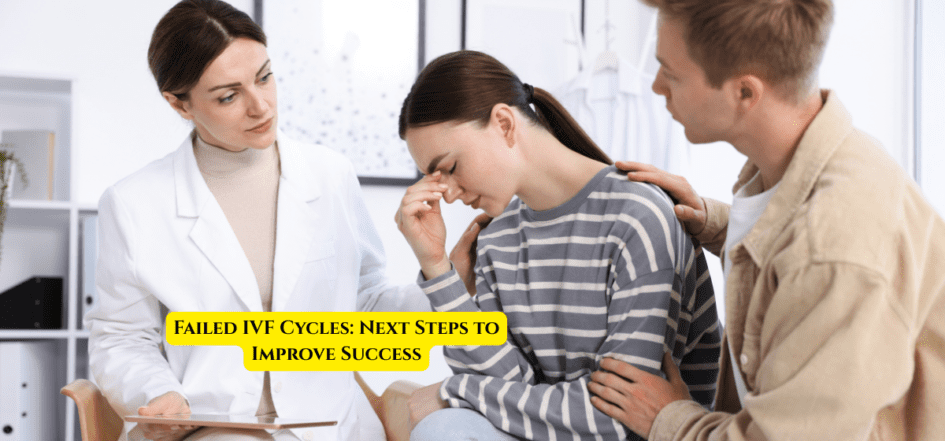
IVF can feel like an emotional roller coaster. You start the journey with hope, excitement, and dreams of becoming a parent. But when an IVF cycle fails, it can leave you feeling heartbroken, confused, and emotionally exhausted. If you are going through this difficult phase, you are not alone.
Many couples experience failed IVF cycles before achieving a successful pregnancy. In fact, IVF is not always successful on the first attempt. Sometimes, the body needs more time, better preparation, or a different treatment strategy. Think of IVF like planting a seed. Even with the best soil, sunlight, and water, every seed does not grow immediately. But with the right care and guidance, the chances of growth improve significantly.
The good news is that there are several ways to understand what went wrong and improve the chances of success in future IVF attempts. Working with the best IVF Doctor in Delhi NCR can help you identify hidden issues, create a personalized treatment plan, and move forward with confidence.
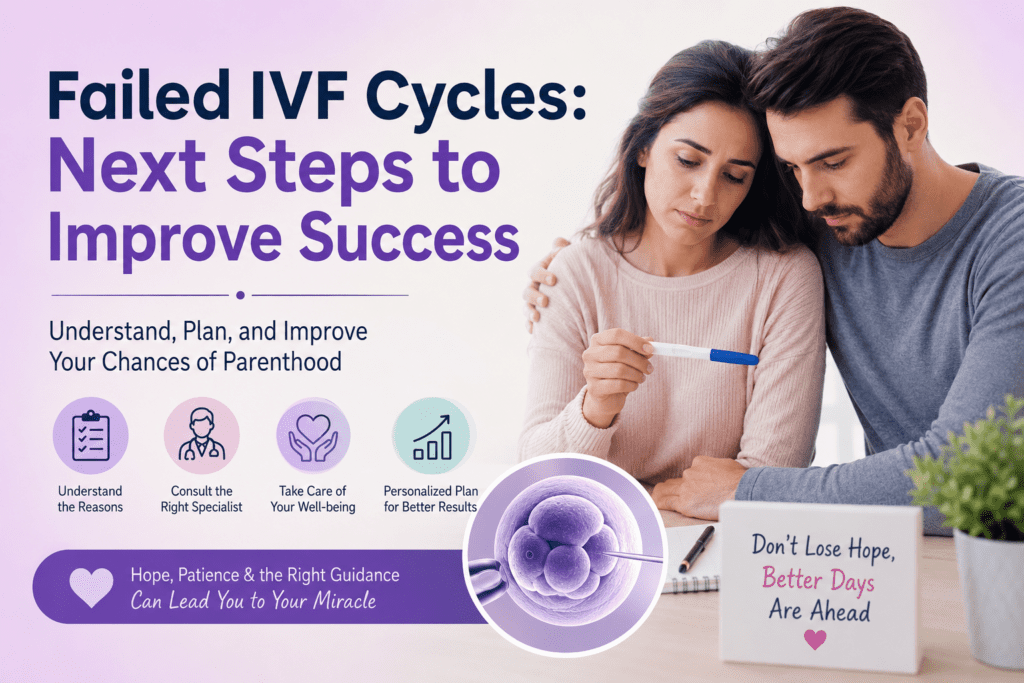
Table of Contents
| Sr# | Headings |
|---|---|
| 1 | Understanding Failed IVF Cycles |
| 2 | Why IVF Sometimes Fails |
| 3 | Emotional Impact of IVF Failure |
| 4 | When Should You Try Again? |
| 5 | Tests Recommended After Failed IVF |
| 6 | Improving Egg Quality Naturally |
| 7 | The Role of Sperm Health |
| 8 | Lifestyle Changes That Improve IVF Success |
| 9 | Importance of Choosing the Right Fertility Specialist |
| 10 | Advanced Treatments After IVF Failure |
| 11 | Can Stress Affect IVF Success? |
| 12 | Success Rates in Second or Third IVF Attempts |
| 13 | Questions to Ask Your Fertility Doctor |
| 14 | Hope After Failed IVF Cycles |
| 15 | Conclusion and FAQs |
1. Understanding Failed IVF Cycles
A failed IVF cycle happens when the embryo does not successfully implant in the uterus or when pregnancy does not continue after implantation.
This can happen at different stages, such as:
- Poor egg quality
- Fertilization failure
- Embryo development issues
- Implantation failure
- Early miscarriage
It is important to remember that a failed cycle does not mean you can never become pregnant. Many couples conceive successfully after one or more failed attempts.
2. Why IVF Sometimes Fails
Poor Egg Quality
Egg quality plays a major role in IVF success. As women age, egg quality naturally declines. Poor-quality eggs may not fertilize properly or may create weak embryos.
Embryo Abnormalities
Sometimes embryos look healthy but carry chromosomal abnormalities that prevent successful implantation.
Uterine Problems
Conditions like fibroids, polyps, endometriosis, or a thin uterine lining can affect implantation.
Hormonal Imbalances
Thyroid disorders, PCOS, or low progesterone levels may interfere with pregnancy.
Sperm Issues
Male fertility problems are responsible for many IVF failures. Poor sperm count, shape, or movement can impact embryo quality.
Lifestyle Factors
Smoking, alcohol, obesity, poor diet, stress, and lack of sleep can reduce fertility and IVF success rates.
3. Emotional Impact of IVF Failure
A failed IVF cycle can feel devastating. Many couples experience sadness, anger, anxiety, guilt, or even depression. It is completely normal to grieve after an unsuccessful attempt.
Some couples start blaming themselves or their partners. Others become afraid to try again. During this phase, emotional support is extremely important.
How to Cope Emotionally
- Talk openly with your partner
- Join fertility support groups
- Seek counseling if needed
- Take a short break before restarting treatment
- Focus on self-care and mental wellness
Remember, your emotional health matters just as much as your physical health during fertility treatment.
4. When Should You Try Again?
One of the most common questions couples ask is, “How soon can we try another IVF cycle?”
The answer depends on:
- Your physical recovery
- Emotional readiness
- Medical recommendations
- The reason behind IVF failure
In many cases, doctors suggest waiting one or two menstrual cycles before trying again. This gives the body time to recover and allows doctors to adjust the treatment plan.
The best IVF Doctor in Delhi NCR will carefully evaluate your previous cycle before recommending the next step.
5. Tests Recommended After Failed IVF
After a failed IVF cycle, your fertility specialist may suggest additional tests to identify possible issues.
Genetic Testing
Preimplantation Genetic Testing (PGT) helps identify chromosomal abnormalities in embryos.
Hormone Testing
Hormone levels such as AMH, FSH, thyroid hormones, and progesterone may be checked again.
Hysteroscopy
This procedure allows doctors to examine the uterus for hidden problems like scar tissue or polyps.
Sperm DNA Fragmentation Test
This test evaluates sperm quality at a deeper level.
Immunological Testing
In some cases, immune system issues may affect implantation.
These investigations help doctors create a more personalized and effective treatment plan.
6. Improving Egg Quality Naturally
Although age cannot be reversed, some lifestyle changes may improve egg health.
Eat a Fertility-Friendly Diet
Focus on:
- Fresh fruits and vegetables
- Nuts and seeds
- Whole grains
- Lean proteins
- Healthy fats
Take Supplements
Your doctor may recommend:
- Folic acid
- Vitamin D
- CoQ10
- Omega-3 fatty acids
Maintain Healthy Weight
Being overweight or underweight can affect hormone balance and egg quality.
Avoid Smoking and Alcohol
These habits can damage eggs and reduce fertility.
Small daily changes can make a big difference over time.
7. The Role of Sperm Health
Fertility is not only a women’s issue. Male fertility contributes to nearly half of infertility cases.
Ways to Improve Sperm Health
- Avoid smoking
- Limit alcohol
- Exercise regularly
- Reduce stress
- Eat antioxidant-rich foods
- Avoid excessive heat exposure
Sometimes doctors recommend advanced sperm selection techniques to improve IVF outcomes.
8. Lifestyle Changes That Improve IVF Success
Lifestyle has a direct impact on fertility treatment outcomes.
Sleep Well
Poor sleep can affect hormone production and reproductive health.
Exercise in Moderation
Light exercise improves blood circulation and reduces stress. However, excessive workouts should be avoided.
Manage Stress
Meditation, yoga, and breathing exercises may help calm the mind.
Stay Hydrated
Good hydration supports overall health and hormone balance.
Limit Caffeine
Too much caffeine may negatively affect fertility.
Healthy habits create a stronger foundation for pregnancy.
9. Importance of Choosing the Right Fertility Specialist
Not all fertility clinics are the same. Experience, technology, and personalized care can greatly influence IVF outcomes.
The best IVF Doctor in Delhi NCR will:
- Analyze previous IVF failures carefully
- Customize treatment plans
- Use advanced fertility technologies
- Provide emotional support
- Monitor treatment closely
A good fertility specialist does not just focus on procedures. They focus on understanding your unique fertility journey.
10. Advanced Treatments After IVF Failure
If standard IVF has failed multiple times, advanced fertility treatments may improve success rates.
ICSI (Intracytoplasmic Sperm Injection)
A single sperm is directly injected into the egg to improve fertilization.
Blastocyst Transfer
Embryos are grown for five days before transfer, allowing doctors to select stronger embryos.
Frozen Embryo Transfer (FET)
Frozen embryos may implant better in some women because the uterus has more time to prepare.
Donor Eggs or Donor Sperm
In some situations, donor options can significantly improve pregnancy chances.
Assisted Hatching
This technique helps embryos hatch and implant more easily.
Modern fertility treatments continue to evolve and improve every year.
11. Can Stress Affect IVF Success?
Stress alone may not directly cause IVF failure, but high stress levels can impact hormones, sleep, and emotional health.
Imagine trying to run a marathon while carrying a heavy backpack. Stress works the same way on your body. It may not stop you completely, but it can make the journey much harder.
Ways to Reduce Stress During IVF
- Practice mindfulness
- Talk to loved ones
- Avoid social pressure
- Take breaks from social media
- Focus on positive routines
Mental wellness should be part of every fertility treatment plan.
12. Success Rates in Second or Third IVF Attempts
Many couples lose hope after the first failed cycle, but success often improves in later attempts.
Doctors learn valuable information from each IVF cycle, such as:
- How your body responds to medications
- Embryo development patterns
- Implantation behavior
With better planning and adjustments, the second or third IVF attempt may have higher success rates.
Patience is often an important part of the fertility journey.
13. Questions to Ask Your Fertility Doctor
After a failed IVF cycle, asking the right questions can help you move forward confidently.
Important Questions Include
- What may have caused the IVF failure?
- Should we change the medication protocol?
- Do I need additional tests?
- Would genetic testing help?
- Are there lifestyle changes I should make?
- What are the chances of success in the next cycle?
Open communication with the best IVF Doctor in Delhi NCR helps couples feel informed and emotionally supported.
14. Hope After Failed IVF Cycles
It is easy to feel discouraged after failed IVF attempts. But many couples who once felt hopeless eventually become parents.
Medical science has advanced tremendously in fertility care. Today, doctors can identify problems more accurately and offer targeted treatments.
Do not measure your journey by one unsuccessful cycle. Every step provides important information that may improve future success.
Sometimes the path to parenthood takes longer than expected, but that does not mean the destination is impossible.
15. Conclusion
Failed IVF cycles can be emotionally painful, but they are not the end of the journey. Many factors influence IVF success, including age, embryo quality, lifestyle, medical conditions, and treatment approach.
The key is understanding why the cycle failed and taking the right steps before trying again. With proper testing, healthier habits, emotional support, and guidance from the best IVF Doctor in Delhi NCR, many couples go on to achieve successful pregnancies after previous failures.
Stay hopeful, stay informed, and remember that every fertility journey is unique. Sometimes success simply needs a different approach, more patience, and the right medical support.
FAQs
1. How common are failed IVF cycles?
Failed IVF cycles are quite common, especially during the first attempt. Many couples require multiple IVF cycles before achieving pregnancy.
2. How long should I wait before trying IVF again?
Most doctors recommend waiting one or two menstrual cycles before starting another IVF attempt, depending on your health and emotional recovery.
3. Can lifestyle changes improve IVF success?
Yes. Healthy eating, exercise, stress management, avoiding smoking, and maintaining a healthy weight can improve fertility and IVF outcomes.
4. Does age affect IVF success rates?
Yes. Fertility naturally declines with age, especially after 35, which can affect egg quality and embryo development.
5. Should I change my fertility clinic after failed IVF cycles?
If you feel your concerns are not being addressed or your treatment lacks personalization, consulting the best IVF Doctor in Delhi NCR for a second opinion may be beneficial.