Introduction
Trying to conceive can be an emotional journey, especially when things don’t go as planned. One common reason behind female infertility is blocked or damaged fallopian tubes. These tiny tubes play a huge role in pregnancy, yet many women don’t even realize there’s a problem until they struggle to conceive.
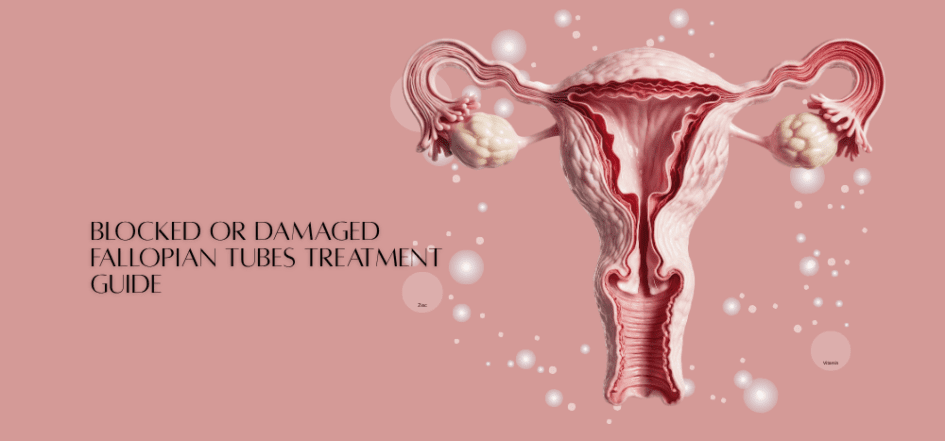
Think of the fallopian tubes as bridges connecting the ovaries to the uterus. If the bridge is blocked or damaged, the egg and sperm cannot meet properly. As a result, pregnancy becomes difficult or sometimes impossible without medical help.
The good news? Modern fertility treatments have made it possible for many women with tubal problems to become mothers. With the guidance of the best IVF Doctor in Delhi NCR, couples can explore effective treatment options and improve their chances of pregnancy.
Consult Dr. Rupali Bassi, a trusted fertility expert and the best IVF Doctor in Delhi NCR, for advanced infertility and IVF treatments.
1. Understanding Fallopian Tubes
The fallopian tubes are two thin tubes located on either side of the uterus. Their main job is to transport the egg from the ovaries to the uterus.
During ovulation, the ovary releases an egg. The fallopian tube picks up the egg, and this is where fertilization usually happens. Once fertilized, the embryo travels to the uterus for implantation.
Without healthy fallopian tubes, natural conception becomes challenging.
2. What Does It Mean When Tubes Are Blocked?
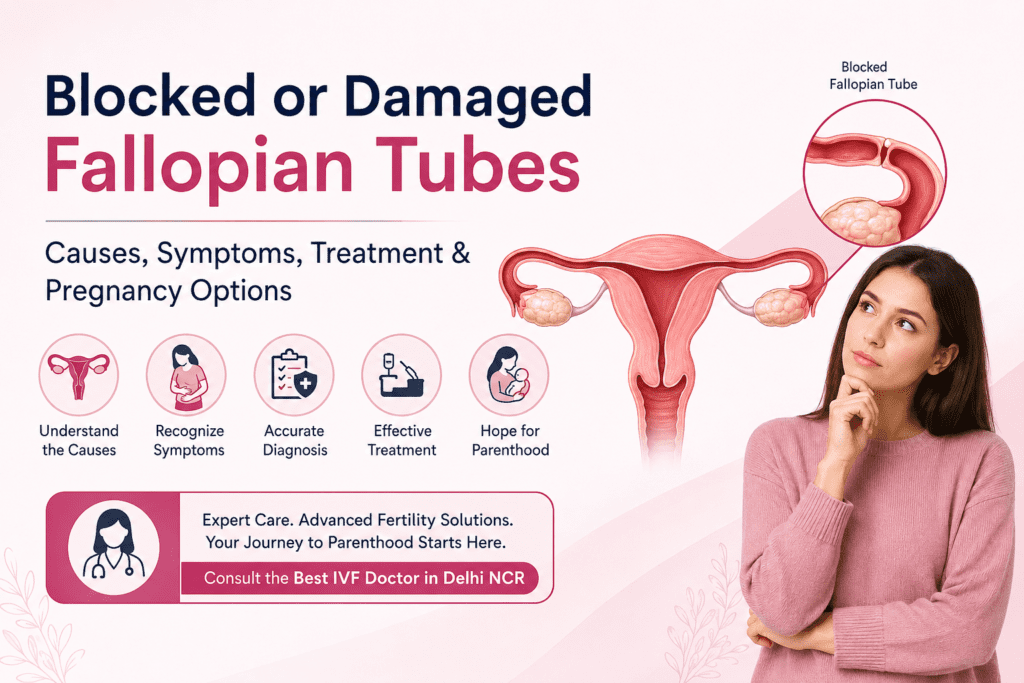
A blocked fallopian tube means the passage inside the tube is partially or completely closed. This blockage prevents sperm from reaching the egg or stops the fertilized egg from reaching the uterus.
Sometimes only one tube is blocked, while in other cases both tubes are affected.
There are three major possibilities:
- One tube blocked
- Both tubes blocked
- Tubes damaged but not fully blocked
Even partial damage can affect fertility significantly.
3. Types of Fallopian Tube Blockages
Proximal Blockage
This blockage occurs near the uterus. It may develop because of infection, mucus buildup, or scar tissue.
Midsegment Blockage
The middle part of the tube gets affected. Previous surgeries or sterilization procedures are common reasons.
Distal Blockage
This occurs near the ovary and is often linked to fluid buildup called hydrosalpinx.
Each type requires a different treatment approach.
4. Causes of Blocked or Damaged Fallopian Tubes
Several health conditions can damage the tubes over time.
Pelvic Inflammatory Disease (PID)
PID is one of the leading causes of tubal infertility. It usually develops from untreated infections.
Endometriosis
In this condition, tissue similar to the uterine lining grows outside the uterus. It can create scar tissue around the tubes.
Previous Surgeries
Abdominal or pelvic surgeries may leave adhesions that affect the tubes.
Sexually Transmitted Infections (STIs)
Infections like chlamydia and gonorrhea can silently damage reproductive organs.
Ectopic Pregnancy
A pregnancy developing inside the tube can permanently damage it.
Tuberculosis
In India, genital tuberculosis is also a hidden cause of infertility and tubal blockage.
5. Symptoms You Should Not Ignore
Many women with blocked tubes experience no symptoms at all. That’s why infertility investigations are often the first clue.
However, some women may notice:
- Pelvic pain
- Painful periods
- Pain during intercourse
- Irregular discharge
- Fever due to infection
- Difficulty conceiving after one year of trying
Hydrosalpinx may also cause lower abdominal discomfort.
If you notice these symptoms, consulting the best IVF Doctor in Delhi NCR can help identify the root cause early.
6. How Doctors Diagnose Tubal Blockage
Doctors use several tests to check whether the tubes are healthy.
HSG Test (Hysterosalpingography)
This is one of the most common tests. Dye is inserted into the uterus, and X-rays show whether the tubes are open.
Ultrasound
Ultrasound may detect swelling or fluid buildup in the tubes.
Laparoscopy
This minimally invasive surgery allows doctors to directly examine the tubes and reproductive organs.
Sonosalpingography
A saline solution and ultrasound are used to assess tubal function.
Early diagnosis improves treatment success.
7. Can You Get Pregnant Naturally?
Yes, natural pregnancy is still possible in some cases.
If only one tube is blocked and the other is healthy, conception may happen naturally. However, the chances depend on:
- Age
- Egg quality
- Overall reproductive health
- Severity of blockage
But if both tubes are blocked, natural conception becomes extremely difficult.
This is where IVF can offer new hope.
8. Risks of Untreated Tubal Damage
Ignoring tubal issues may lead to serious complications.
Infertility
The most common complication is inability to conceive.
Ectopic Pregnancy
A damaged tube increases the risk of pregnancy developing outside the uterus, which can become life-threatening.
Chronic Pelvic Pain
Scar tissue and infections may cause long-term discomfort.
Repeated Miscarriages
Tubal abnormalities can sometimes affect embryo transport and implantation.
Seeking timely medical advice is essential.
9. Treatment Options for Blocked Tubes
Treatment depends on the severity and location of the blockage.
Medications
If infection is the cause, antibiotics may help.
Laparoscopic Surgery
Doctors may remove scar tissue or repair damaged tubes through minimally invasive surgery.
Tubal Cannulation
A thin catheter is used to open blocked tubes near the uterus.
Removal of Hydrosalpinx
Fluid-filled damaged tubes are often removed before IVF because they can reduce implantation rates.
Not every patient needs surgery. Your fertility specialist will recommend the best option based on your condition.
10. Role of IVF in Tubal Infertility
Why IVF Works
IVF bypasses the fallopian tubes completely. Eggs are collected directly from the ovaries, fertilized in a lab, and then transferred into the uterus.
This makes IVF one of the most effective solutions for women with blocked tubes.
Who Should Consider IVF?
IVF may be recommended if:
- Both tubes are blocked
- Tubal surgery has failed
- Severe damage exists
- The woman is above 35
- Other fertility problems are present
Choosing the best IVF Doctor in Delhi NCR can significantly improve success rates because expert handling, advanced technology, and personalized care matter greatly.
Success Rates of IVF
IVF success depends on:
- Age
- Embryo quality
- Lifestyle habits
- Underlying fertility conditions
Younger women generally have higher success rates.
11. Lifestyle Changes That Support Fertility
Medical treatment is important, but healthy habits also matter.
Maintain a Healthy Weight
Being overweight or underweight can affect fertility hormones.
Eat Fertility-Friendly Foods
Include:
- Fresh fruits
- Green vegetables
- Nuts and seeds
- Protein-rich foods
Avoid Smoking and Alcohol
Smoking damages eggs and reproductive organs.
Reduce Stress
Fertility struggles can feel emotionally exhausting. Activities like yoga, meditation, and walking may help.
Stay Physically Active
Moderate exercise improves blood circulation and hormonal balance.
Think of your body as a garden. The healthier the soil, the better the chances for growth.
12. Emotional Impact of Fertility Struggles
Infertility doesn’t just affect the body — it affects emotions too.
Many couples feel:
- Anxiety
- Sadness
- Frustration
- Guilt
- Relationship stress
It’s important to remember that infertility is a medical condition, not a personal failure.
Talking openly with your partner, joining support groups, or seeking counseling can make the journey easier.
13. When Should You See a Fertility Specialist?
You should consult a specialist if:
- You are under 35 and trying for over one year
- You are above 35 and trying for six months
- You have irregular periods
- You have a history of infections or pelvic surgery
- You experienced ectopic pregnancy
- You have severe menstrual pain
Early treatment often leads to better outcomes.
14. Choosing the Best IVF Doctor in Delhi NCR
Finding the right fertility specialist can feel overwhelming, but it’s one of the most important decisions.
Look for Experience
An experienced doctor understands complex fertility cases better.
Check Success Rates
Choose clinics with transparent and realistic success statistics.
Advanced Technology Matters
Modern IVF labs improve embryo quality and treatment accuracy.
Patient Reviews and Testimonials
Reading patient experiences can provide valuable insights.
Personalized Care
Every fertility journey is unique. The best IVF Doctor in Delhi NCR will create a treatment plan tailored to your needs instead of using a one-size-fits-all approach.
15. Success Stories and Hope for Couples
Thousands of women with blocked or damaged tubes have successfully become mothers through treatment and IVF.
Medical science has advanced tremendously over the years. What once felt impossible is now achievable for many couples.
Patience, the right medical support, and emotional strength can make a huge difference.
Remember, infertility is a chapter in your story — not the entire story.
16. Conclusion
Blocked or damaged fallopian tubes are a common cause of infertility, but they do not mean the end of your dream to become a parent. From accurate diagnosis to advanced treatments like IVF, there are many solutions available today.
Understanding the symptoms, causes, and treatment options helps couples make informed decisions about their reproductive health. Whether the issue is mild blockage or severe tubal damage, modern fertility care offers hope and effective solutions.
Consulting the best IVF Doctor in Delhi NCR can guide you toward the right treatment plan and increase your chances of a successful pregnancy. With timely medical support, healthy lifestyle choices, and emotional resilience, parenthood may still be within reach.
FAQs
1. Can blocked fallopian tubes be treated naturally?
Some minor blockages may improve with treatment of infections and healthy lifestyle changes, but most significant blockages require medical intervention.
2. Is IVF the only option for blocked fallopian tubes?
Not always. Some women may benefit from surgery or tubal repair, depending on the severity and location of the blockage.
3. Can I get pregnant with one blocked fallopian tube?
Yes, pregnancy is possible if the other tube is healthy and ovulation occurs normally.
4. Are blocked fallopian tubes painful?
Many women have no symptoms, but some may experience pelvic pain, painful periods, or discomfort during intercourse.
5. How successful is IVF for women with blocked tubes?
IVF success rates are generally high for tubal infertility because the treatment bypasses the fallopian tubes completely.